The support forum is built with (1) General and FAQ forums for common trading queries received from aspiring and experienced traders, and (2) forums for course video topics. How to Trade Price Action and How to Trade Forex Price Action videos are consolidated into common forums.
Brooks Trading Course social media communities
Brooks Trading Course Learning Resources >>>


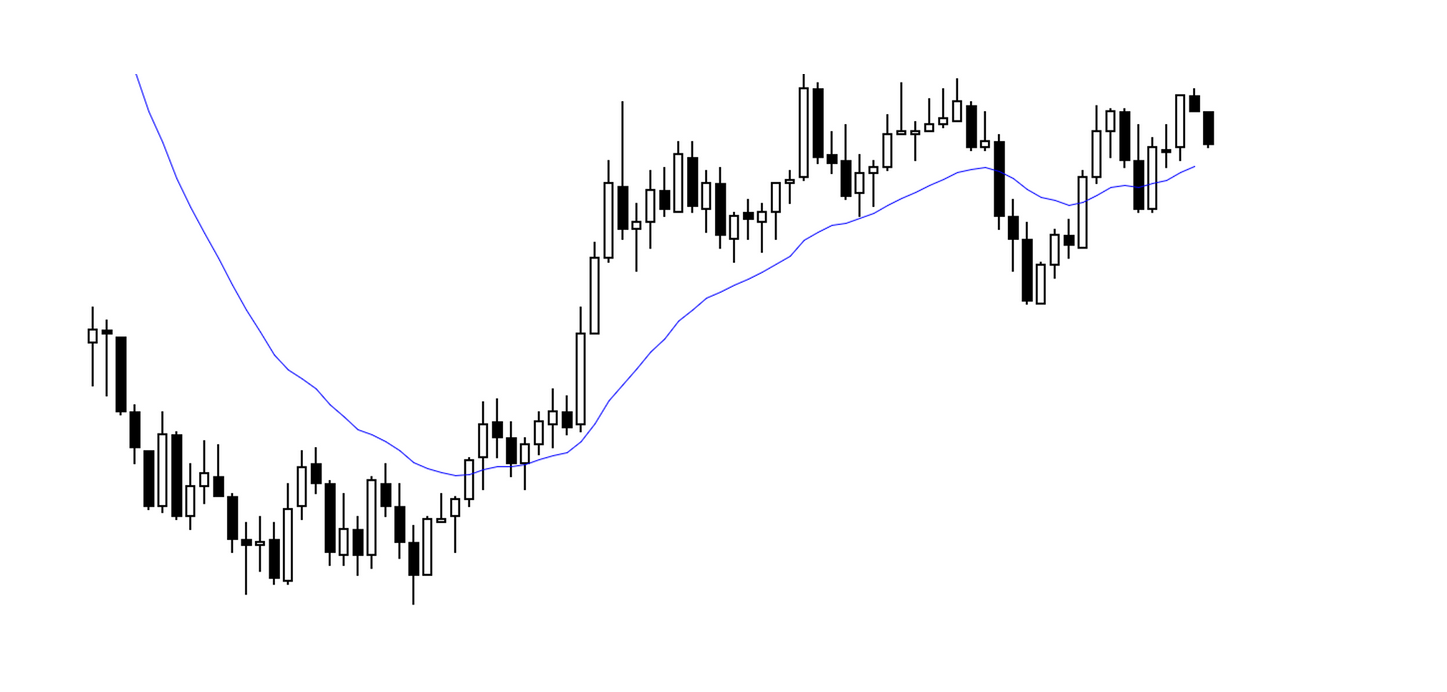
Normally on the open, if there are "2 consecutive, one big and closing on its end" it's marked as a BTC/STC entry. On the above chart, Bar 3 was not marked as an entry.
Some charts, have only one trend bar on the open and it's marked as an entry. On the chart below, Bar 3 is marked as an entry.
- Is there any logical explanation to how Al marks up BTC / STC opens?
- Any setup can fail, but what does a good BTC/STC entry look like?
- What is the logic behind this setup?
☕

There are lots of reasons for this and you have to remember that in trading there are not rules, but rather generalities.
On the very top chart, Al is likely not marking bar 3 because it is a parabolic wedge with the first 3 bars.
On the 2nd chart, the first two bars are dojis which is a tight trading range on a smaller time frame. Bar 3 is a breakout below, which increases the odds of a 2nd leg down.
I know this can be frustrating, but keep more about it. Eventually it will make more sense.
- Brad

Al's markings are correct. In thousands of markings and charts over 6 years (yes I've been through them all), it is very extremely rare that I had to second guess Al's markings. The benefit to this is that if something appears "odd", it pretty much can be attributed to gaps in knowledge. This is a good thing!! All entries are meant to be as a stop order 1 tick above/below signal bar. One has to remember that on the open, there is greater variability, as well as the need to understand context much more quickly.
In the first graphic, the bars on not initially strong and are far from the ema. W/o serious strength on the open it isn't a buy. it is a wait.
The second graphic is a 2nd attempt bull failure. The entry on bar 3 finishing below those bars is exactly where the bulls will "tap out".
The open requires a bit more finesse and experience. That is why it is usually recommended to wait until 6 bars or so to allow for the open high variance aspects to bleed off a little to allow for clearer reading.
The opening allows for great potential, as well as for great loss. Rules are designed to allow for the absorption of understanding the basic principles, and on the open greater flexibility is required. As an example no matter how strong an open, 50% of the time it can reverse (and this often happens at 10, and there are other timed turning points).
Good trades to you!
On the very top chart, Al is likely not marking bar 3 because it is a parabolic wedge with the first 3 bars.
Ok, but then he marked Bar 8 as a buy, and Bar 8 forms a p-wedge with bars 6 & 7. So that seems like a worse setup - buying a p-wedge at the top of a large bear bar.


