The support forum is built with (1) General and FAQ forums for common trading queries received from aspiring and experienced traders, and (2) forums for course video topics. How to Trade Price Action and How to Trade Forex Price Action videos are consolidated into common forums.
Brooks Trading Course social media communities
Brooks Trading Course Learning Resources >>>

I've been debating looking at ETH or RTH (for the E-mini) for a long time.
Today for example, it seems like two of the first good opportunities for the session were to bet on a failed bear breakout to end up going back to yesterday's range high and then to short that range high betting on a failed bull breakout to end up re-testing the range's low.
See these two setups below:
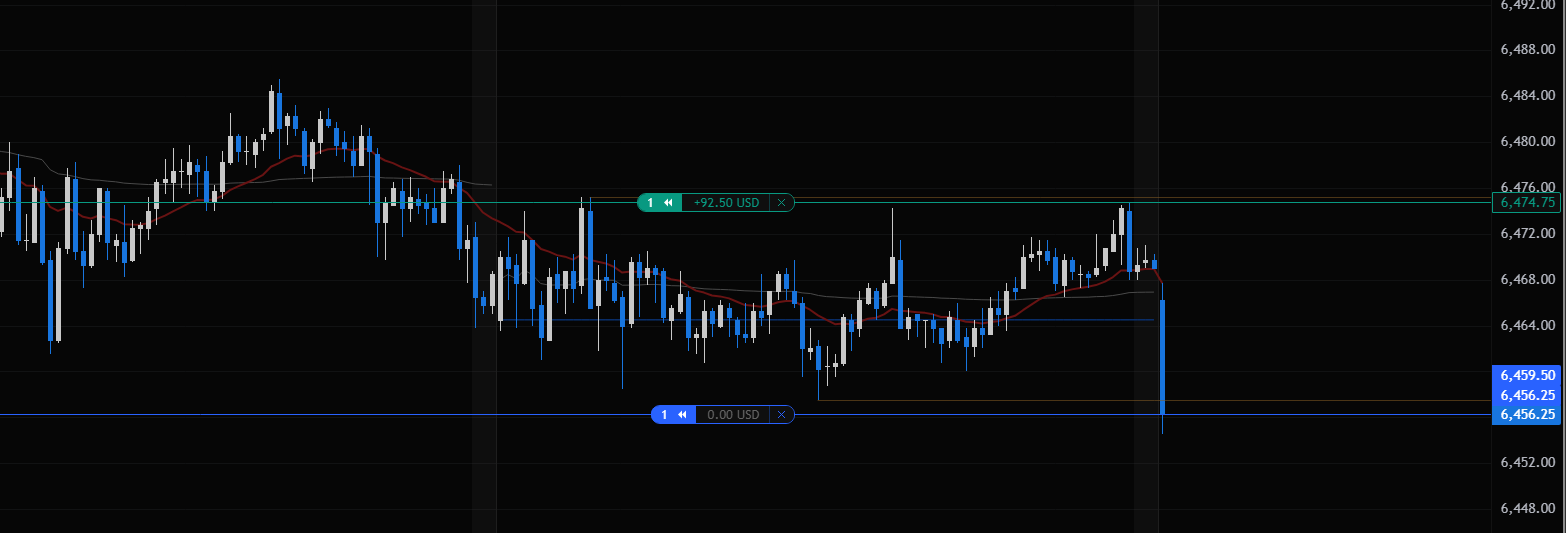
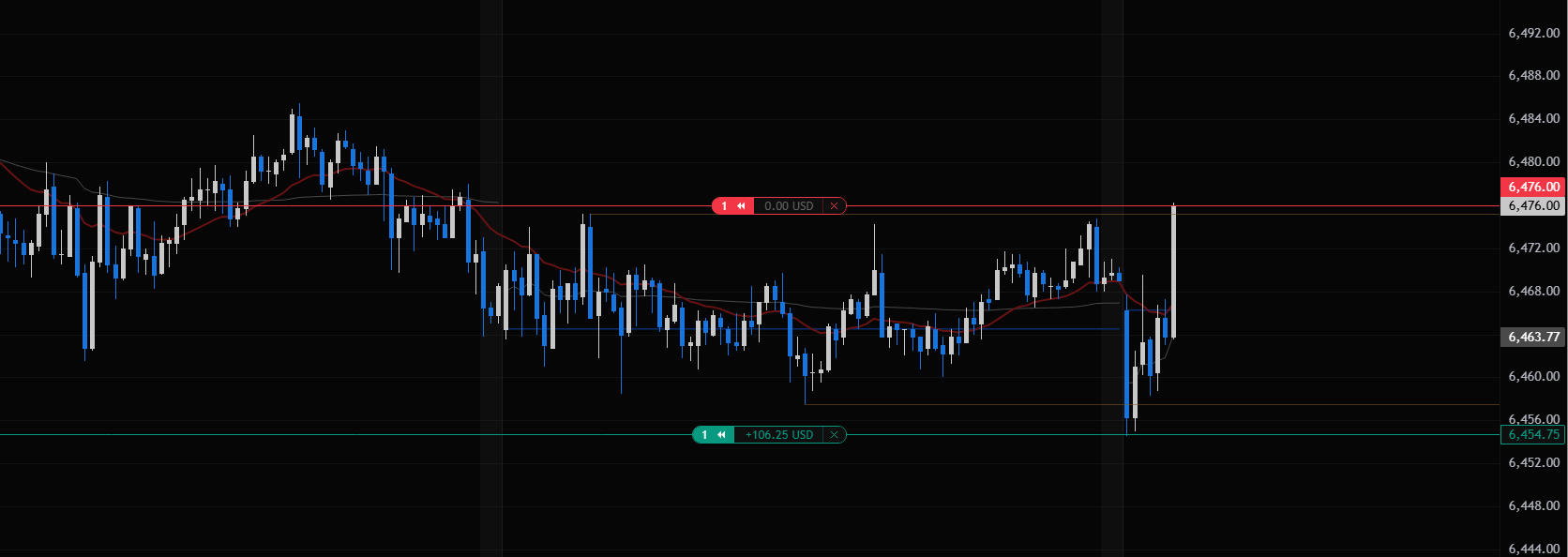
In hindsight though, both of these setups can easily be missed if too much focus is put on the ETH chart (see below):
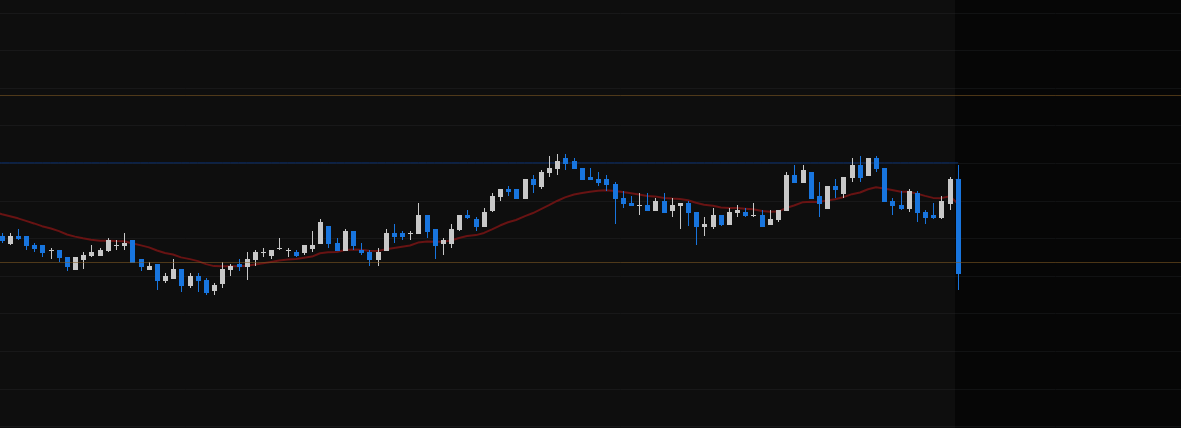
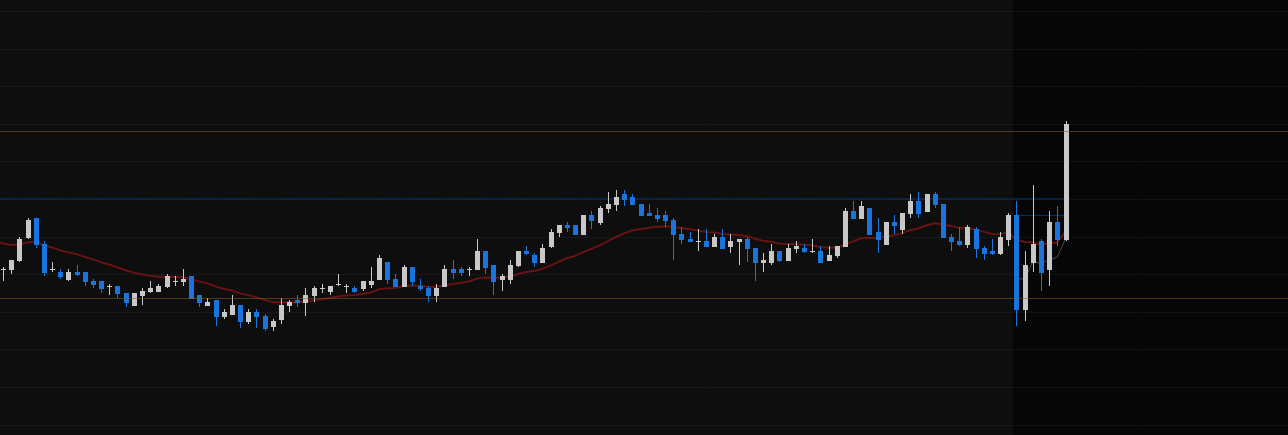
You can still see the support and resistance lines drawn and understand the context (especially if you look at both ETH and RTH), but ETH seems to make these breakout attempts look better and more likely to succeed so I wonder how beneficial looking at ETH really is and if perhaps if hurts my analysis.
What is your experience with this? Dr Brooks mentions that it's partly a matter of preference in one of his blog articles. But did some of you also struggle with this question and end up coming up with an answer that improved your performance? Do you still look at both RTH and ETH? Do you think ETH is too much noise compared to signal? Although ETH offers some information, do you find this information to be helpful or more likely to lead to mistakes?
Anything you share could help so thanks in advance!
J-S

PA is PA. However, there are some transitional aspects because of volume presence change.
The RTH works with the overnight sessions as Gaps. There may be characteristic changes in the overnight session which would certainly be emphasized by key volume or directional changes. So awareness of some of those features, especially during the open, can be helpful.
Example 8:30 est reports key set key boundaries, as can some aspects during the overnight session. However, because of the significant change in volume during the open of the RTH, oftentimes the ETH offers profit targets based on range/probability/profit taking zones. This is true since the world trades the market.
So, especially in the open, awareness is important. Because of the volume change, the RTH has preference, especially since the moving averages have less of a function initially.
Hopefully helpful and good trades to you!
Thanks Eric, to praphrase just to make sure I understood you correctly. You say that there may be some factors that may make the ETH price action relevant to the RTH open, such as perhaps news releases at 8:30 am ET that may create boundaries, or other factors. So in other words, you try to be aware of ETH price action structure but the RTH structure still has preference?
Correct. RTH is what is happening now, and NOW is the most important thing because the market is an open auction. Context (history / market state, etc) plays a critical role, and what is happening right now can "change the game". Because of the higher volume, especially on the open, the ETH pre-market areas of interest (AOI) can more easily be "run over". That isn't to say that some aspects may be useful and of interest.
ETH is often managed as RTH "gaps" if they exist. What happens to most gaps, if not of great significance? Right - they get filled, because the market is efficient (rules - what happened to i before e except after c. . . hmmmmm).
Good trades to you!


